
Leading Scientists
Physiology or Medicine
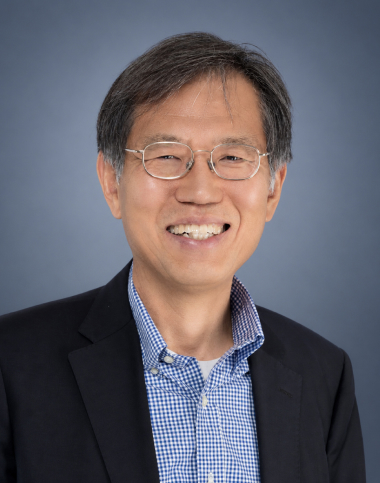
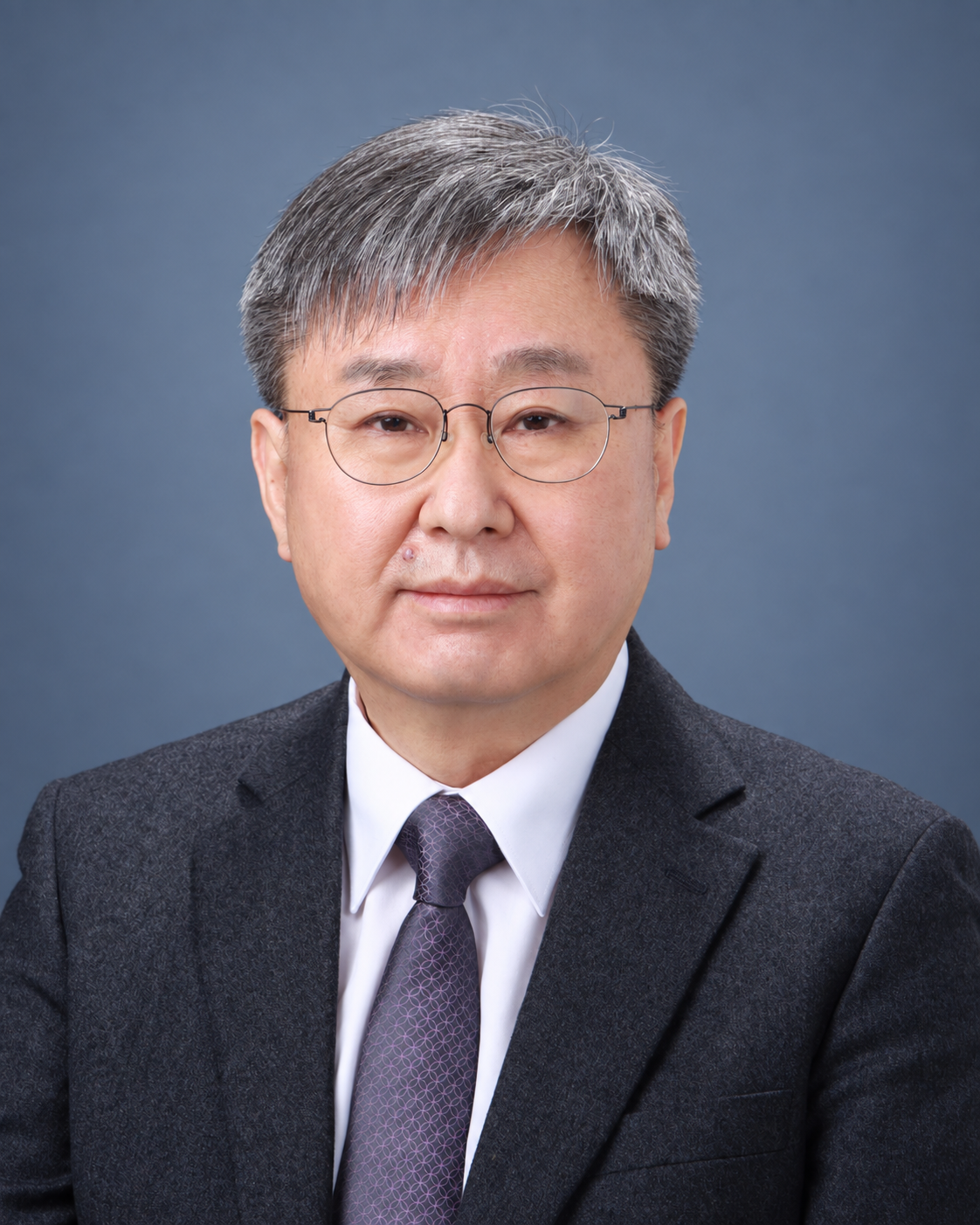
Eunjoon Kim
Professor
Department of Biological Sciences, Korea Advanced Institute of Science and Technology (KAIST), Cente
Education
- Postdoctoral Fellow: Neurobiology, Harvard Medical School & HHMI, Advisor: Morgan Sheng, USA, 1995–1997
- Ph.D.: Pharmacology & Toxicology, Michigan State University, USA, 1994
- M.S.: Biological Engineering, KAIST, Korea, 1988
- B.S.: Pharmacy, Pusan National University, Korea, 1986
Professional Experience
- 2012–Present Director, Center for Synaptic Brain Dysfunctions, Institute for Basic Science (IBS), Korea
- 2000–Present Assistant / Associate / Full Professor, Department of Biological Sciences, KAIST, Korea
- 2003–2012 Director, National Creative Research Initiative Center for Synaptogenesis, Korea
- 1997–2000 Lecturer / Assistant Professor, College of Pharmacy, Pusan National University, Korea
- 1988–1991 Research Associate, Korea Research Institute of Bioscience and Biotechnology (KRIBB), Korea
Honors and Awards
- 2018 Asan Award in Medicine
- 2014 KAISTian of the Year
- 2013 POSCO TJ Park Prize (Science)
- 2012 Inchon Award (Natural Sciences)
- 2012 Life Science Award, Korean Society for Molecular and Cellular Biology
- 2010 Grand Prize for Academic Excellence, KAIST
- 2004 Young Scientist Award
Research Interests
- Synapse formation, synaptic dysfunction, autism spectrum disorders
Publications (Max 5)
- Roh JD#, Jun Y#, Jeon H, Kim J, Yi Y, Kim M, Cho H, Oh Y, Moon H, Kim J, Kim S, Ryu J, Kang M, Kim J, Kim Y, Jung Y, Yoo T, Oh H, Kim H, Jin C, Yang Y, Kim JY, Kang H*, Bae M*, and Kim E*. (2026). Transcriptome-based grouping and drug-response assessment in autism models. Science, in press.
- Won H, Lee HR, Gee HY, Mah W, Kim JI, Lee J, Ha S, Chung C, Jung ES, Cho YS, Park SG, Lee JS, Lee K, Kim D, Bae YC, Kaang BK*, Lee MG*, and Kim E*. (2012). Autistic-like social behavior in Shank2-mutant mice improved by restoring NMDA receptor function. Nature 486:261-265.
- Highlighted in ‘Nature Reviews Drug Discovery’, ‘Nature Reviews Neuroscience’ and ‘SFARI’
- Chung W, Choi SY, Lee E, Park H, Kang J, Park H, Choi Y, Lee D, Park SG, Kim R, Cho YS, Choi J, Kim MH, Lee JW, Lee S, Rhim I, Jung MW, Kim D, Bae YC, and Kim E. (2015). Social deficits in IRSp53 mutant mice improved by NMDAR and mGluR5 suppression. Nat Neurosci 18:435-443.
- Jung H*, Park H*, Choi Y, Kang H, Lee E, Kweon H, Roh JD, Ellegood J, Choi W, Kang J, Rhim I, Choi SY, Bae M, Kim SG, Lee J, Chung C, Yoo T, Park H, Kim Y, Ha S, Um SM, Mo J, Kwon Y, Mah W, Bae YC, Kim H, Lerch JP, Paik SB, and Kim E. (2018). Sexually dimorphic behavior, neuronal activity, and gene expression in Chd8-mutant mice. Nat Neurosci 21:1218-1228.
- Highlighted in ‘Faculty of 1000’ and ‘Nat Neurosci News and Views’
- Jang S, Oh D, Lee Y, Hosy E, Shin H, van Riesen C, Whitcomb D, Warburton JM, Jo J, Kim D, Kim SG, Um SM, Kwon SK, Kim MH, Roh JD, Woo J, Jun H, Lee D, Mah W, Kim H, Kaang BK, Cho K, Rhee JS, Choquet D, and Kim E. (2016). Synaptic adhesion molecule IgSF11 regulates synaptic transmission and plasticity. Nat Neurosci 19:84-93.