
Rising Scientists

Physiology or Medicine
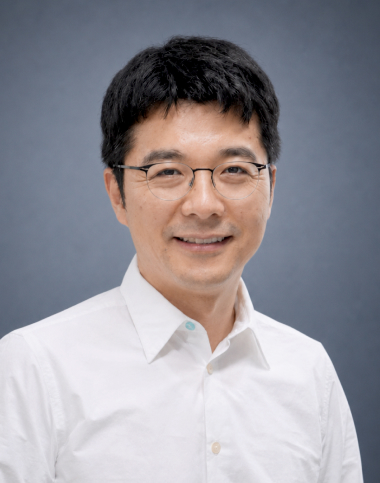
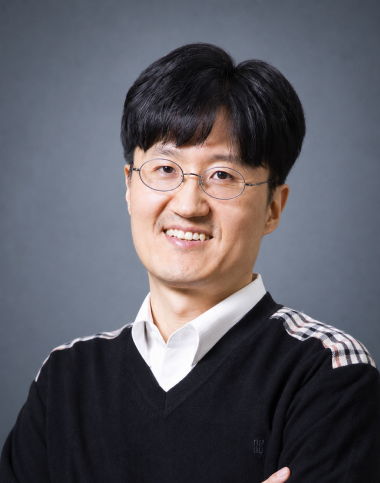
Kim Kyuhyung
Professor
Brain Sciences, DGIST
Education
- PhD: Biology, Boston University, Boston, MA, USA
- BSc: Biochemistry, Yonsei University, Seoul, Korea
Professional Experience
- 2011 ~ Assistant, Professor/Associate Professor with tenure/Professor, DGIST, Korea
- 2026 ~ Dean of Graduate School, DGIST, Korea
- 2019 ~ 2021 Chair, Department of Brain Sciences, DGIST, Korea
- 2026 ~ Director, Global Ion Channel Innovation Center
- 2024 ~ Director, Korea C. elegans Resource Center
- 2003 - 2011 The laboratory of Dr. Piali Sengupta, Brandeis University, Waltham, MA, USA
Honors and Awards
- 2025 Minister of Science and ICT Award, Korea
- 2024 Korea Best Scientists and Engineers Award, KOFST, Korea
- 2021 Outstanding Teaching Award, DGIST, Korea
- 2018 Outstanding Research Award, DGIST, Korea
- 2012 DGIST Award, DGIST, Korea
- 2012 TJ Park Science Fellowship of POSCO TJ Park Foundation, Korea
Research Interests
- We investigate how internal states and external cues shape neural circuits and behavior in C. elegans.
Publications (Max 5)
- Park YJ.*, Yeon J.*, Cho J., Kim DY., Bai Xiaofei., Oh Y., Kim JM., Nam H., Hwang H., Heo W., Kim J., Jun S., Lee K., Kang KJ., and Kim K. (2024) PIEZO acts in an intestinal valve to regulate swallowing in C. elegans. Nature Communications. doi: 10.1038/s41467-024-54362-3.
- Choi W., Ryu S., Cheon Y., Park Y., Kim S., Kim E., Koo J., Choi H., Moon C. #, and Kim K.# (2022) A single chemosensory GPCR is required for concentration-dependent behavioral switching in C. elegans. Current Biology. doi: 10.1016/j.cub.2021.11.035
- Ryu L., Cheon Y., Huh Y., Pyo S., Chinta S., Choi H., Butcher R., and Kim K. (2018) Feeding state influences pheromone-mediated avoidance behavior via the insulin signaling pathway in C. elegans. The EMBO Journal. 37 e98402.
- Yeon J.*, Kim J.*, Kim D., Kim H., Kim J, Du E., Kang K., Lim H., Moon D., and Kim K. (2018) A sensory-motor neuron type mediates proprioceptive coordination of locomotion via two TRPC channels. PLoS Biology. 16(6):e2004929.
- Hong M.*, Ryu L.*, Ow M., Kim J., Je A., Chinta S., Huh Y., Lee K., Butcher R., Choi H., Sengupta P., Hall S., and Kim K. (2017) Early pheromone experience modifies a synaptic activity to influence adult pheromone-responses of C. elegans. Current Biology. 27:3168-3177.